


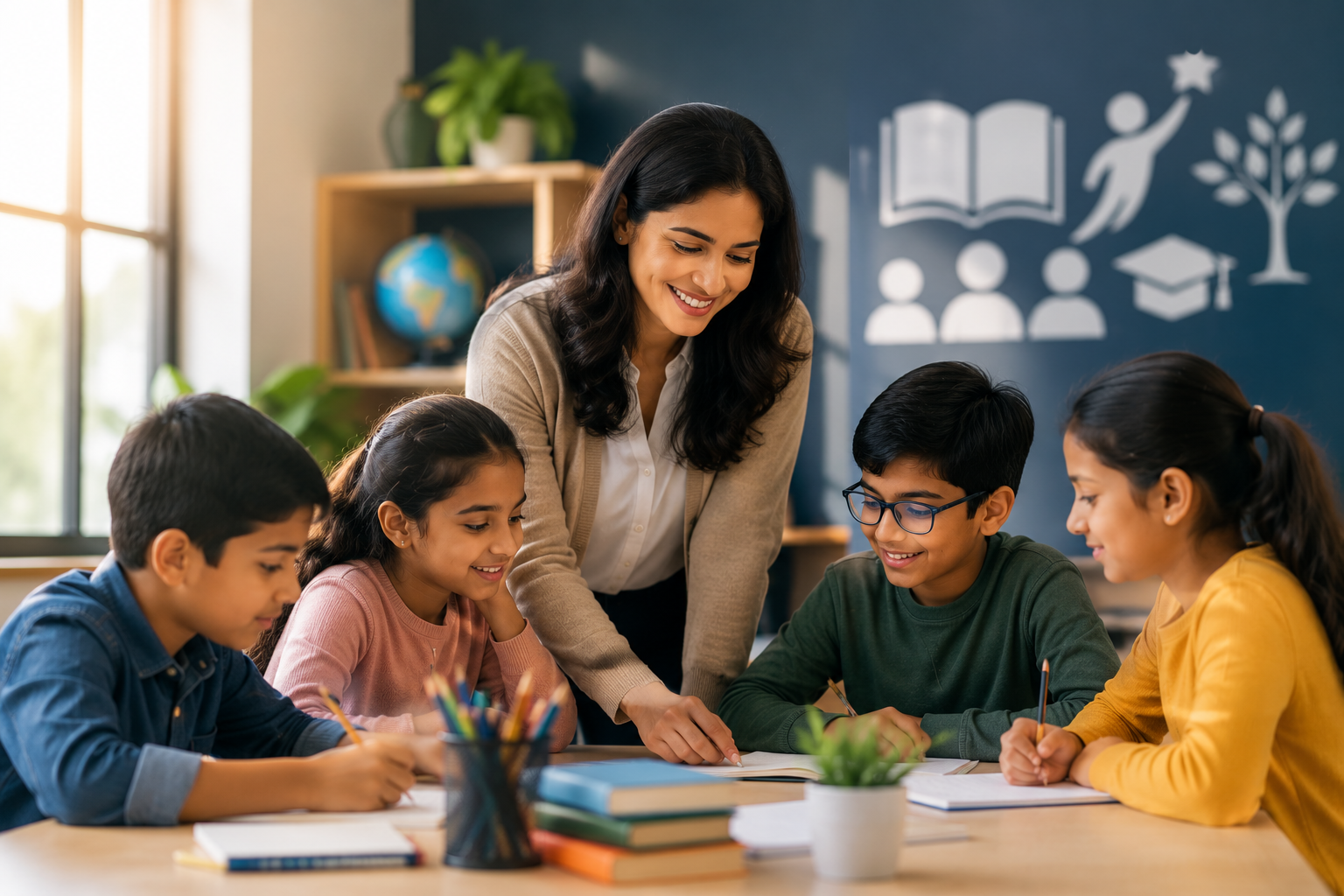
10 Ideal Roles for Educators in Modern Education 2026
Discover the 10 ideal roles for educators in 2026 and how modern teachers are shaping future-ready students through technology, leadership, and innovation.
The education system is evolving rapidly because of artificial intelligence, digital learning, and changing student expectations. In 2026, the role of educators is no longer limited to traditional classroom teaching or textbook-based learning.
Modern educators are expected to guide, mentor, inspire, and prepare students for future careers and global challenges. Teachers today play an important role in developing communication skills, creativity, emotional intelligence, and critical thinking abilities among students.
As technology continues transforming education, educators must adapt to innovative teaching methods, AI-powered tools, and student-centered learning approaches.
Why the Role of Educators Is Changing in 2026
Modern classrooms are becoming more technology-driven, interactive, and globally connected. Students now learn through digital platforms, AI-based tools, virtual collaboration, and practical experiences instead of only traditional lectures.
Because of this transformation, educators are expected to:
- Encourage active learning
- Integrate AI and digital tools
- Promote creativity and innovation
- Support emotional well-being
- Prepare students for future careers
- Build communication and leadership skills
The modern educator helps students become confident learners who can adapt to rapidly changing industries and technologies.
1. Educators as Facilitators of Learning
Modern teachers focus more on guiding students instead of simply delivering information. They encourage students to ask questions, participate in discussions, and think independently.
This learning approach helps students:
- Improve critical thinking
- Build problem-solving abilities
- Develop independent learning habits
- Move beyond rote memorization
Interactive classrooms create better engagement and help students become lifelong learners.
2. Mentor and Emotional Supporter
In 2026, educators also play a major role as mentors and emotional supporters. Students often face academic pressure, mental stress, and social challenges.
Teachers help students by providing guidance, encouragement, and emotional support.
Benefits of Strong Mentorship
- Better mental well-being
- Improved confidence
- Stronger communication skills
- Emotional resilience
- Positive learning environment
This role strengthens trust between students and educators while improving student development.
3. Curriculum Designer and Learning Strategist
Modern educators now design lessons according to students’ interests, abilities, and future industry requirements.
An effective curriculum in 2026 should:
- Encourage creativity
- Include practical learning
- Promote analytical thinking
- Use technology-based learning
- Improve student participation
Teachers regularly update learning strategies to match changing educational trends and career demands.
4. Technology Integrator in Modern Education
Technology has become an essential part of modern classrooms. Educators now use AI-powered learning systems, virtual platforms, and digital tools to improve learning experiences.
Important Educational Technologies in 2026
| Digital Tool | Educational Purpose |
|---|---|
| Learning Management Systems | Online learning support |
| AI-Based Learning Platforms | Personalized education |
| Zoom & Virtual Tools | Remote classrooms |
| Multimedia Presentations | Interactive learning |
| Gamified Learning Apps | Student engagement |
Technology integration helps students stay connected with modern learning methods and digital advancements.
5. Community Connector and Collaborator
Educators help build strong relationships between schools, families, and communities. This collaboration creates supportive learning environments for students.
Teachers work closely with parents and communities to:
- Improve communication
- Encourage inclusivity
- Support student development
- Build stronger educational environments
A connected educational community positively impacts student success and overall growth.
6. Cultural and Diversity Advocate
Modern educators promote equality, inclusion, and cultural understanding inside classrooms. Students today come from diverse backgrounds, cultures, and learning environments.
Teachers encourage:
- Respect for diversity
- Inclusive learning
- Global awareness
- Empathy and understanding
- Equal learning opportunities
Inclusive education prepares students for multicultural workplaces and global career opportunities.
7. Assessor and Feedback Provider
Assessment is no longer limited to exams and grades. Educators now use continuous evaluations, practical assignments, and interactive activities to monitor student progress.
Constructive feedback helps students:
- Improve academic performance
- Understand learning goals
- Build confidence
- Stay motivated
- Identify improvement areas
Continuous assessment also helps teachers improve teaching methods according to student needs.
8. Lifelong Learner and Innovator
Great educators understand the importance of continuous learning and professional development. In 2026, teachers must regularly update their knowledge and teaching strategies.
Ways Educators Improve Their Skills
- Attend workshops and webinars
- Learn AI-powered teaching tools
- Earn professional certifications
- Explore modern educational trends
- Improve digital teaching skills
Lifelong learning helps educators remain effective in modern classrooms.
9. Classroom Manager and Educational Leader
An educator must create a positive, disciplined, and engaging classroom environment. Strong classroom management improves learning experiences and student participation.
Effective Classroom Leadership Helps:
- Maintain discipline
- Improve student engagement
- Encourage teamwork
- Build productive classrooms
- Increase focus and participation
Leadership skills are becoming increasingly important in modern education systems.
10. Moral and Ethical Role Model
Teachers influence students far beyond academics. Their values, behavior, and attitude shape students’ personalities and decision-making abilities.
Modern educators demonstrate:
- Integrity
- Responsibility
- Fairness
- Respect
- Empathy
- Professionalism
Students often look up to teachers as role models who inspire positive behavior and ethical thinking.
Future of Teaching and Education in 2026
The future of education will continue evolving through artificial intelligence, hybrid learning, and student-focused teaching approaches.
Educators in 2026 will play an even greater role in preparing students for:
- Digital transformation
- Future careers
- AI-powered workplaces
- Global collaboration
- Innovation-driven industries
Modern teaching is no longer only about completing lessons. It is about inspiring curiosity, supporting emotional growth, and preparing students for lifelong success.
Teachers who embrace adaptability, creativity, and technology will continue shaping the future generation.
Common Challenges Modern Educators Face
Despite technological advancements, educators still face several challenges in modern education systems.
Major Challenges in 2026
- Adapting to AI technologies
- Managing digital distractions
- Supporting student mental health
- Balancing online and offline learning
- Handling diverse learning needs
Continuous training and professional development can help educators overcome these challenges effectively.
FAQs
Why are educators important beyond classrooms?
Educators support students academically, emotionally, socially, and professionally while helping them build confidence and life skills.
What qualities make a great educator in 2026?
Empathy, adaptability, communication skills, leadership, creativity, and commitment to lifelong learning are essential qualities.
Why is technology integration important in modern education?
Technology improves accessibility, engagement, collaboration, and personalized learning experiences for students.
How do educators support emotional development?
Teachers provide mentorship, encouragement, guidance, and emotional support that help students build confidence and resilience.
Why is lifelong learning important for educators?
Continuous learning helps educators stay updated with modern teaching strategies, AI tools, and educational innovations.
How is AI changing the role of teachers?
AI helps educators personalize learning, automate tasks, and improve student engagement through smarter teaching methods.

